
Treasure! ARRR! When I began plunderin’ for the Fenwick Pyrate it was in pursuit of an alleged pyrate ghost, pyrate treasure, and a secret pyrate tunnel. Alas, the plunderin’ did not reveal any of those things. Well, there’s a tunnel and maybe a pyrate.
In 1692, British privateer Robert Fenwick arrived in Charles Town on the ship, Loyal Jamaica. He was the first Fenwick to come to the colonies after having gained a bit of a reputation sailing the “Red Sea”. Part of that reputation was that Fenwick had amassed quite a bit of gold during his privateering career. In 1694, he became a property owner in the city of Charles Town. Somewhere around 1721, Robert was joined in the Carolinas by his brother, John, who brought his family across the pond from England. John Fenwick built what would become the central structure of Fenwick Hall on John’s Island in 1730. The Fenwick family continued to build on the property so that eventually Fenwick Hall began to be called Fenwick Castle.

There is allegedly a ghost or two prowling around the Fenwick Hall estate. One is a headless horseman, and the other is an angry young Fenwick woman who many believed cursed the property. There are many reported sightings of the ghosts…but as I said earlier, neither of them is a pyrate ghost. (If you want to know more about the Fenwick ghosts, go here: Legends of Fenwick Hall)
So, other than Robert Fenwick being a privateer, what does this have to do with pyrates and treasure? Well, it was believed that Robert’s seafaring career had been very successful and that there was considerable gold in his possession. Privateers were obliged to share their plunder with their patrons, (kings, queens, etc.), but did Robert perhaps keep more than his share? Did Robert, (like so many pyrates/privateers), continue his plunderin’ and pillagin’ well after his “retirement”?
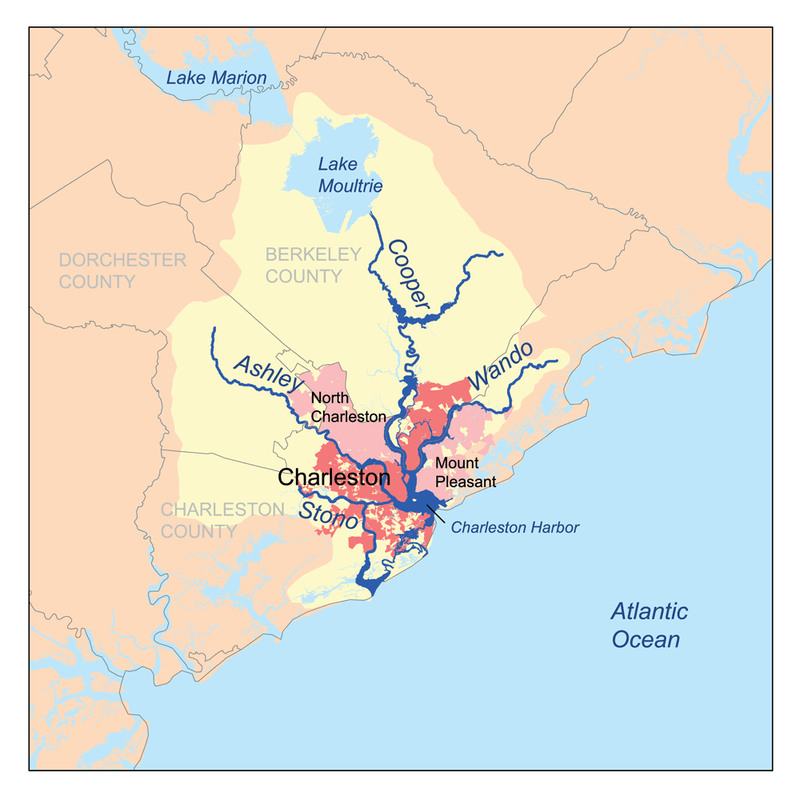
Well, consider this: Fenwick Hall did have a secret tunnel. The tunnel began in the basement of the main house and then continued for quite some distance to the Stono River. The tunnel is said to have collapsed during a hurricane and as the property is now privately owned, further exploration is not an option. The tunnel obviously provided a discreet path to the river. But why was a tunnel necessary? What was going on at Fenwick Hall that required a secret passage to the intracoastal waterway?
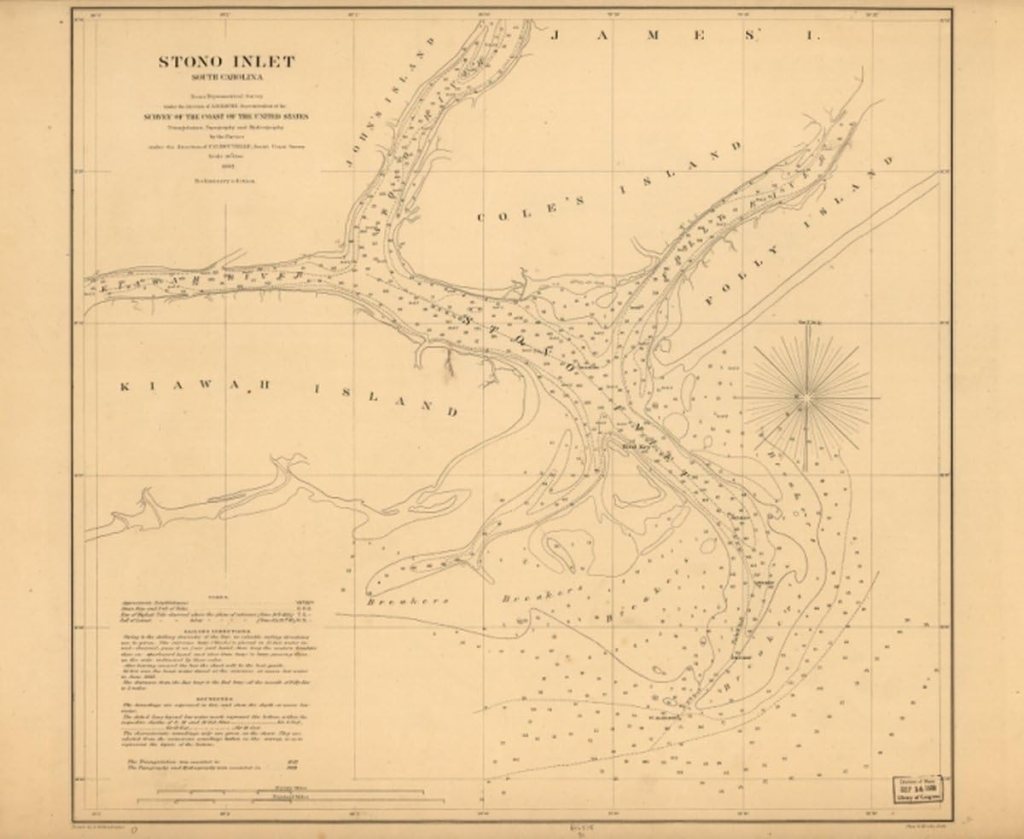
It’s been theorized that during the Revolutionary War the tunnel may have been constructed to transport supplies well away from the prying eyes of the British. Or colonists. Maybe both. It’s possible that the tunnel was used during the Civil War to hide valuables and people. It’s possible…well, you get it. No one (alive today) knows what the tunnel was used for.
So, here I go wunderin’ after my plunderin’…did Robert Fenwick continue his pyrating/privateering career after settling in Charles Town? Did he use the tunnel to transport his plundered goods from a ship to his brother’s plantation estate? Is there gold in that tunnel? Was there gold in that tunnel at one time?
Alas, we may never know. The property is not open to the public and other than some paranormal investigators poking around for ghosts, no one has had the opportunity to further explore the Fenwick tunnel. Sigh.
I will continue my plunderin’ for more information about the Fenwick tunnel. I just have the feeling that there’s more to this than what we know now.
In the meantime, there’s no reason not to drink some grog and imagine the Fenwick tunnel as a treasure passageway for Robert Fenwick’s ill-gotten goods. Yo ho!
 Virginia Chandler
You must be logged in to post a comment.