
Buried pyrate treasure is, I’ve been told repeatedly, a myth. But, it’s a persistent myth, isn’t it? For me, the more that I’m told that pyrates did NOT bury treasure, the more my pyrate-sense (similar to Spidey-sense), tells me that they did. Am I just perpetuating my own pyrate-get-rich fantasy? Am I just a stubborn, dreamy-eyed old pyrate? Let’s get ourselves a grog and plunder it a bit…
Note to my Pyrate Historian Brethern (you know who you are!): This episode of Plunderin’ with Bootstrap Ginny is not intended to attract your ire or scoffage. It’s just for fun!
First, has ANYONE ever buried their valuables? Yes. For centuries, people have been concealing their valuables in (what they hope) are sturdy chests, boxes, pots, or jars. Many of these folks then buried their cask of valuables in a secure, often “secret”, spot. Why bury valuables? This is no great mystery: Plain and simple, they buried their money, jewelry, and whatever was dear to them so that no one could take it from them. In a word: security.
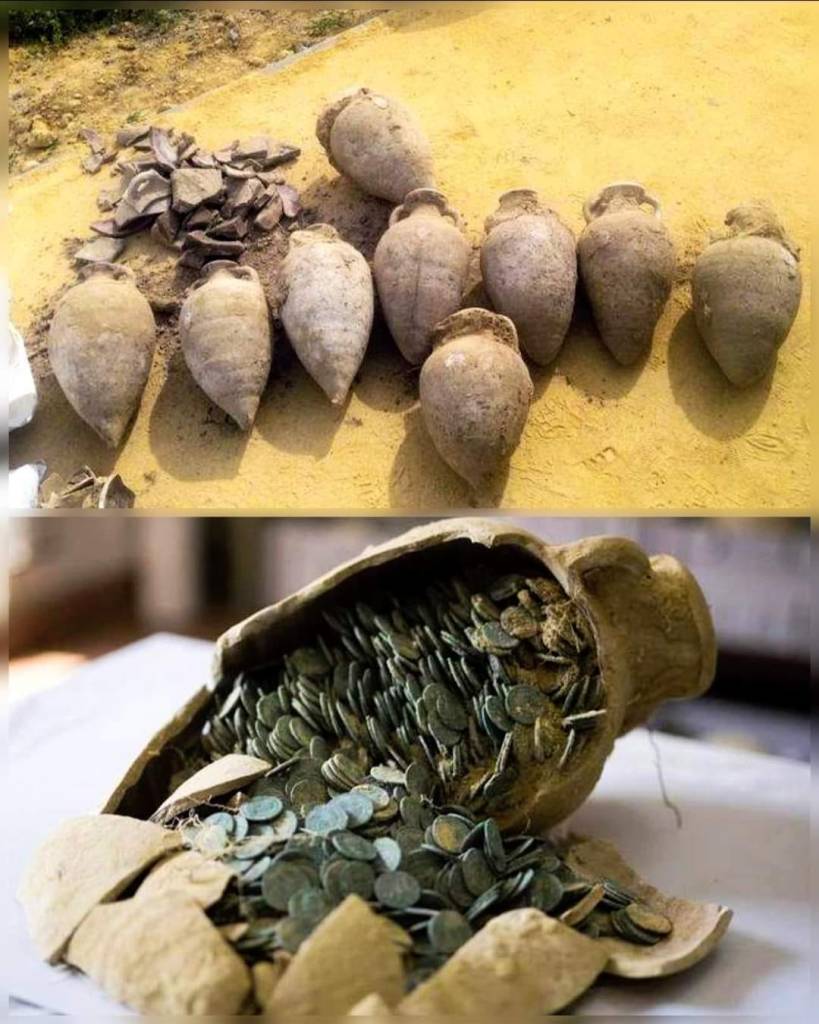
The practice of burying valuables is old…very old. How old? Well, Romans were burying their valuables way back in the Roman Emperor Nero’s day:
In 2017 in Mezdra, Bulgaria neighbors had been complaining to the authorities that the yard next to theirs was an eyesight. When they began to clear the unsightly lot and uprooted a plum tree, they found, entangled in the roots, a clay pot with a cache of 200 silver Roman coins dating from Emperor Nero (54-68 AD) all the way up to Emperor Severus Alexander (222-235 AD).
My own grandparents, (I kid you not), buried coins in mason jars on their property. I know some folks (who will remain unnamed) who have buried survival caches that contain what they believe will be valuable in the event of the collapse of civilization as we now know it.
The point is that yes, Bootstrap Ginny, burying valuables IS a practice from ancient times that has continued into modern times.
So, what about pyrates? Well, there are a few stories that are considered “legitimate” buried goods incidents. For your consideration:

Sir Francis Drake: 1572 – Drake’s attempted plunder and pillage of Panama was not the success that he craved, but he was able to ambush a mule train in the jungle that was carrying gold, silver, and other valuables. Drake’s men took as much of the loot as they could carry and buried the remaining treasure (allegedly) near the Chagres River. Drake, no doubt, intended to return and retrieve the buried silver; as far as we know, he never did. Some adventurers are still looking.
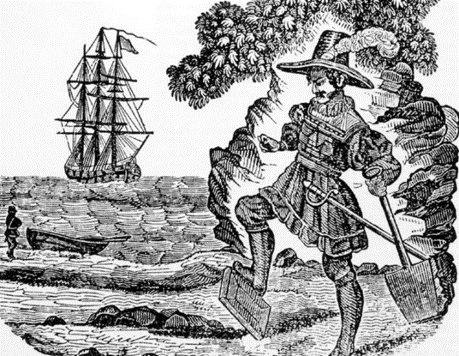
Captain William Kidd: 1695 – Kidd buried gold, jewels, and other loot on Gardiner’s Island, (near Long Island, NY). This wasn’t a small cache either; Kidd included four bags of gold (dust and coin), a bag of silver rings, two bags of precious stones (cut and uncut), along with a few gold and silver bars. Kidd apparently intended to use the cache of goodies to bribe himself out of being hanged as a pyrate. It didn’t work.

The Treasure of Amaro Pargo: 1747 – Pargo was a Spanish pyrate who wrote in his will that he had a hidden cache of silver, gold, and jewelry; he also claimed that he had listed all of the items in a mysterious (and still unfound) book “wrapped in parchment”. The treasure has never been found, but what I did find fascinating about this pyrate is that he allegedly had a cave, the “Cave of San Mateo”, where he hid his loot. Hmm…
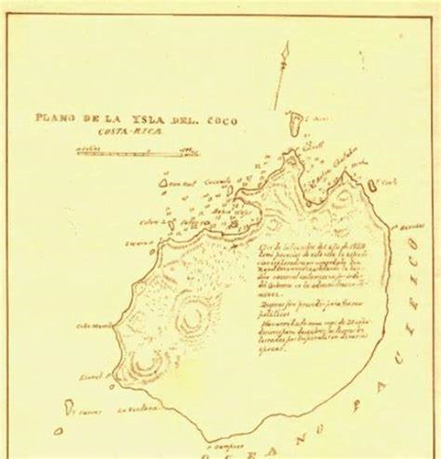
The Treasure of Lima: 1820 – Captain William Thompson was transporting valuable goods from Lima to Mexico, but he and his crew found the treasure to be too tempting. Thompson and his boys turned pyrate and, after killing the treasure’s guards and the priests accompanying it, took the goods to Cocos Island where they (allegedly) buried it. The crew disbanded and were told to “lie low” until all of the excitement had passed. Alas, Thompson and his crew were captured and everyone was hanged, except the captain and his first mate, Mr. Forbes. Thompson had apparently told the authorities that he could take them to Cocos Island and show them where the treasure was buried. However, being a wily pair, Thompson and Forbes managed to escape into the jungle once they arrived. The fate of the two pyrates and the treasure is, as of this writing, unknown.
So, it’s definitely time for a grog after all of that, aye? Fun fact: If you drink enough grog, not only does your face go numb, but the idea of buried pyrate treasure becomes much more believable. Makes an old pyrate gal wonder if it’s just the grog…or, was burying valuables a pyrate thing after all?
Until next time…keep plunderin’!
 Virginia Chandler
You must be logged in to post a comment.